
|
Getting your Trinity Audio player ready...
|
Ancient Origins
Skipping Through the Centuries
The jump rope is ancient. Historians agree on its origins:
-
Ancient China: Skipping games existed during the early Spring and Autumn Period, often for New Year celebrations.
-
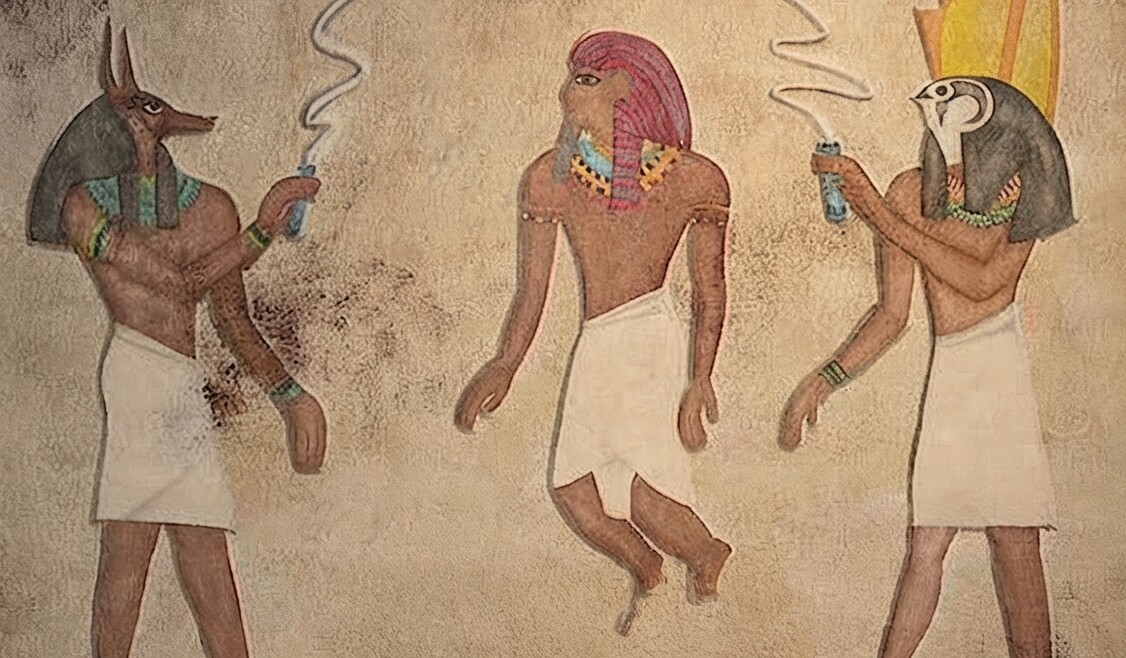
Phoenicia & Egypt: Archaeologists found depictions of children playing with ropes. Skipping was a common pastime because ropes were easy to find.
-
Medieval Europe: In Belgium, Netherlands, and Germany, rope skipping was popular, but only for boys during Easter.
Surprisingly, early history shows it was dominated by boys and men as a test of athleticism. Ropes evolved from vines and braided fibers to durable textiles. The basic mechanics remained identical: one person, one rope, and the goal of not tripping.
From Dutch Streets to Schoolyards
In the 17th century, artists in the Netherlands represented children skipping rope in daily life street games.
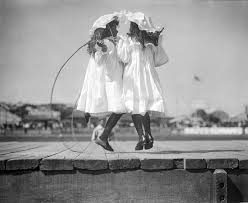
The tradition migrated to Colonial America, where strict religious groups disapproved unnecessary play. Despite this, the game survived among girls, turning into a gendered “girl’s game” by the Victorian era.
This shift brought two major developments:
-
Rhymes and Chants: Rhythmic songs helped jumpers keep time and added a social element to play.
-
Double Dutch: Two ropes turning in opposite directions originated in New York City via Dutch immigrant children, turning skipping into performance art.
The jump rope became a cheap, high-energy schoolyard staple. While boys moved to team sports like baseball, the jump rope remained on the playground. Children built complex rules and hierarchies around it.
The Athletic Revolution

Heavyweight Training
For a long time, adult jump ropers were mostly boxers. In the 20th century, trainers realized skipping built incredible fighting conditioning.
Legends like Sugar Ray Robinson and Muhammad Ali used jump ropes to improve footwork, endurance, and agility. Ali turned it into a high-speed performance, rebranding the toy into serious athletic equipment.
New materials replaced heavy hemp and leather. Lightweight PVC and beaded segments allowed for faster speeds and complex tricks.
Simultaneously, Double Dutch transformed into a competitive sport with standardized rules. The simple loop of rope entered the modern sporting arena, bridging raw athleticism and choreography.

Modern Fitness and Fun

The 21st-Century Skip
Today, the jump rope is the base in CrossFit boxes training and HIIT classes. Fitness pros know few workouts deliver a better calorie burn and coordination boost.
The modern jump ropes (coming soon a post):
- Beaded Ropes: Perfect for beginners and tricks.
- Speed Ropes: Use ball bearings for elite double-unders.
-
Weighted Ropes: Increase strength-training components for shoulders and arms.
-
Smart Ropes: Track jumps, calories, and speed, syncing data to smartphones.
Platforms like Instagram and TikTok are flooded with “ropers” showcasing complex footwork and dance routines that would amaze past generations.
The jump rope has come full circle as an activity for everyone. It keeps its core simplicity while embracing modern demands.
Conclusion
The history of the jump rope is a fascinating journey from ancient rituals to modern fitness routines. It is an apparently simple tool that adapts to every era.
Now that you know its incredible journey, when was the last time you picked up a rope and felt the rhythm?